
Ceramic Tile 101: The Complete Guide
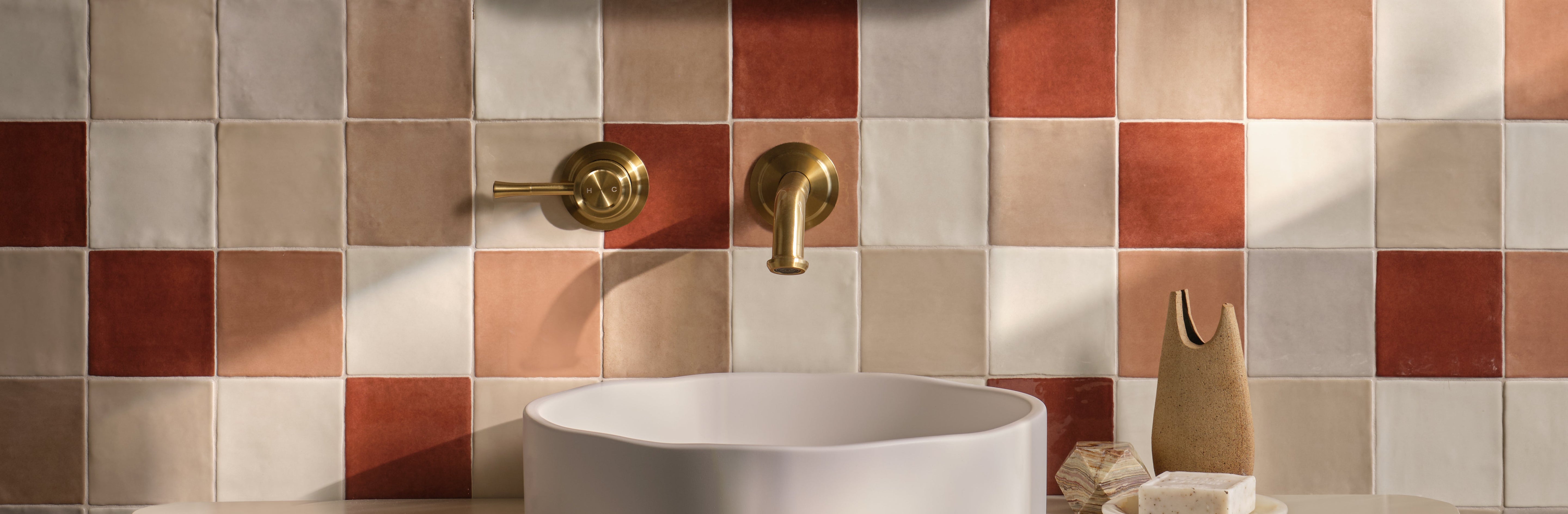
If the first thing that comes to mind when you hear "ceramic tile" is a dated kitchen countertop in primary, circus colours, this guide will immediately help you see this type of tile through a fresh lens.
The ceramic tile of today has the advantage of being a timeless, versatile option — and one that can also be very design-forward. No more bland or brash colours. Instead, well-made ceramic tile can look incredibly bespoke with slight variations in colouration and more.
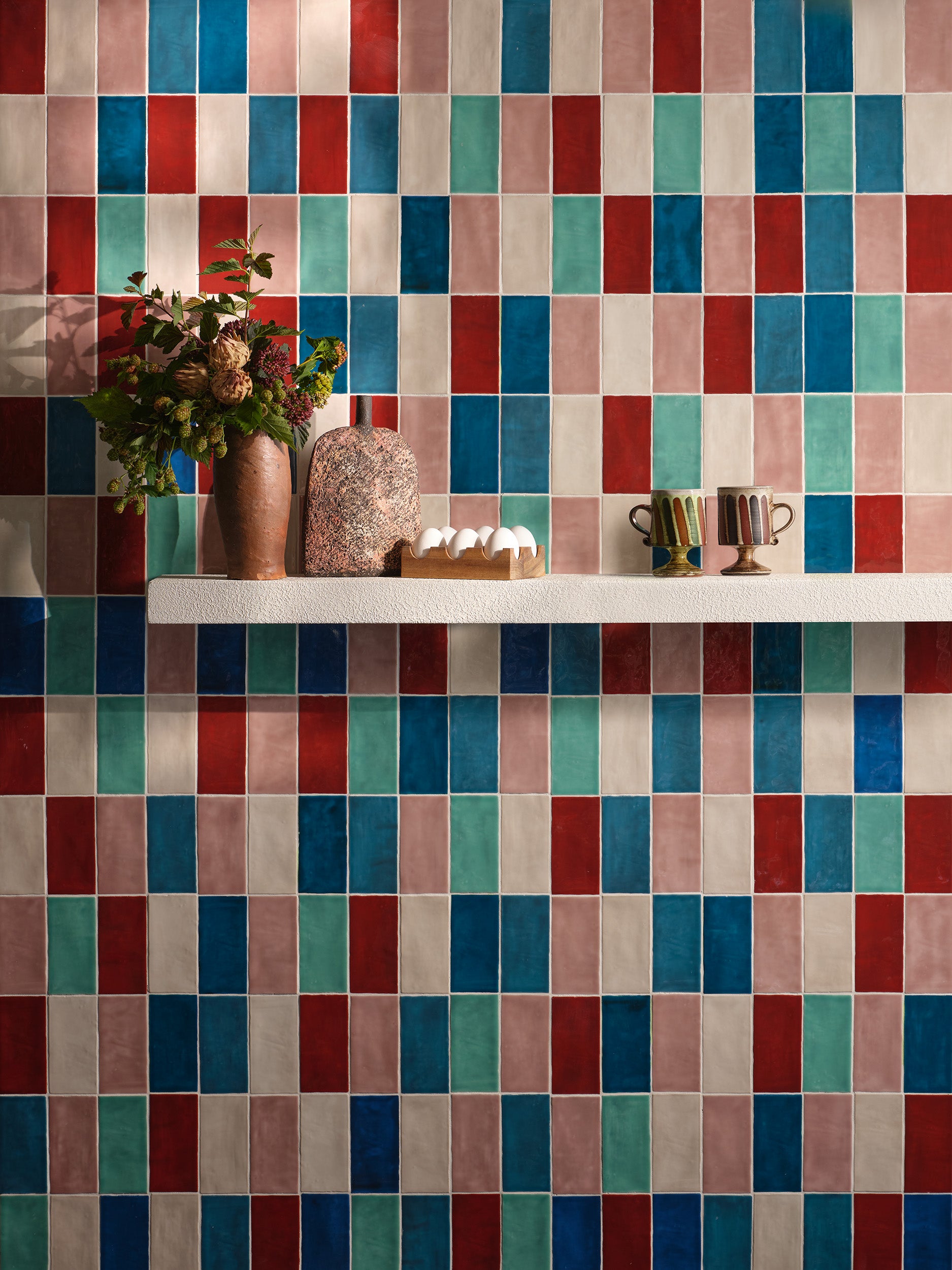
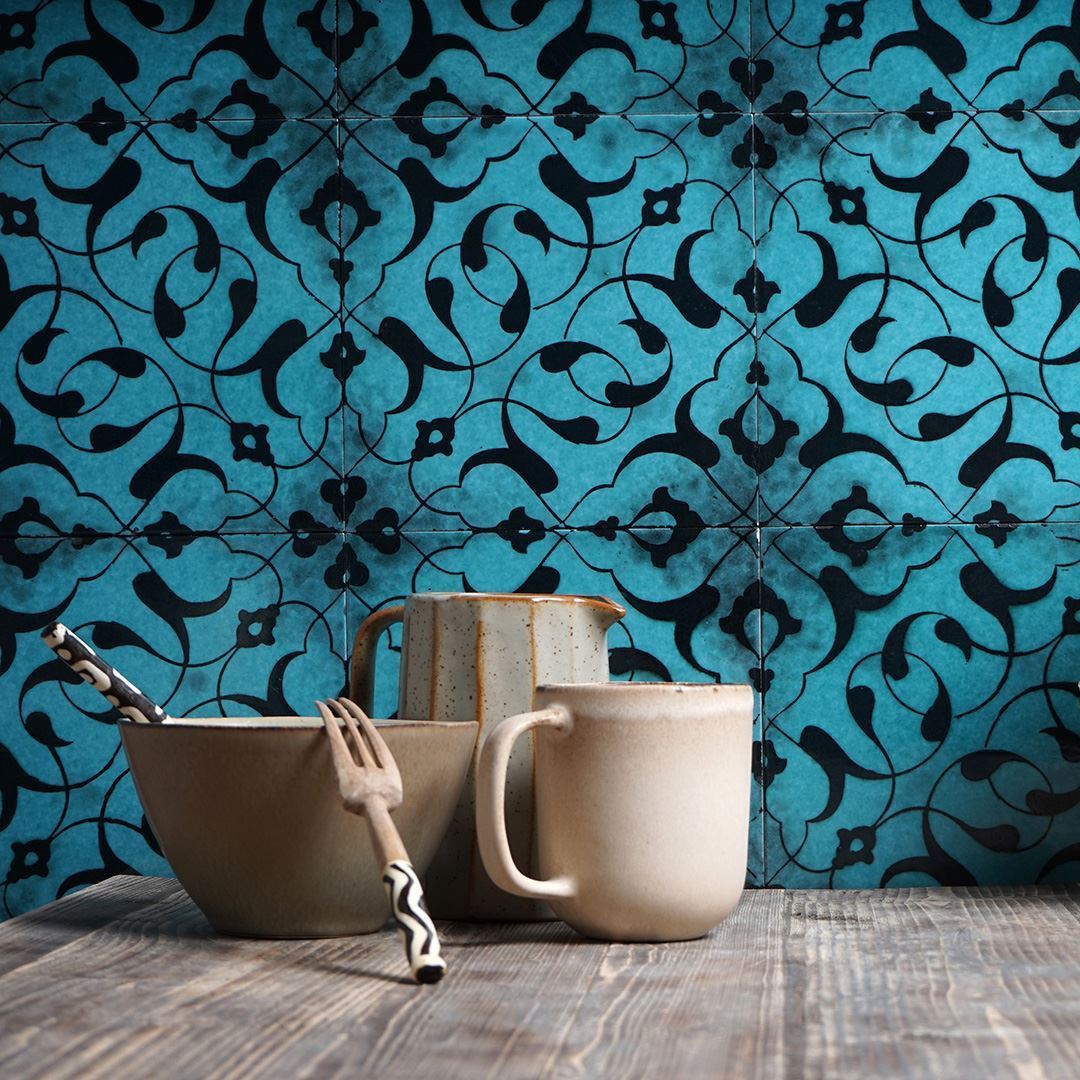
Otto Tiles & Design’s elegant Ceramic Collection embodies everything that’s so beloved about this material — the refined craftsmanship it takes to make the best tile, the luminous surface that dances with the light, and the colours that range from beautifully subtle to boldly brilliant.
Lightweight, durable, and low-maintenance, ceramic tiles are perfectly well-suited for both everyday homes and design-led spaces. So, whether you want to refresh a kitchen into a midcentury-mod delight, update a toilet for spa-inspired bliss, or create an outdoor sanctuary, ceramic tile can transform your space.
In this comprehensive guide to ceramic tile, we’ll walk you through everything you need to know about this product choice — from what ceramic tiles are made of to where to use them, how to install them, and how to take care of them.
Of course, we’ll also share the fun stuff — creative ideas and inspiration for how to use ceramic tile in your own home. Let’s dive in.
What Are Ceramic Tiles?
You may not think of ceramic tile as being as uniquely artisan as zellige — or as distinctly organic as natural stone. But, in reality, ceramic tile can be just as beautiful and bespoke. This type of tile is created from natural clay that has been shaped, dried, glazed, and fired in high-heat kilns. And it’s a process that dates to ancient civilizations.
Now, the method of making ceramic tile has been modernized into a manufacturing process that can quickly produce high quantities of tile. But Otto Tiles & Design stays close to the traditional roots of ceramic tile with a tile-making process that includes skilled artisans who combine both tradition and craftsmanship with innovation and care for the planet. The result is ceramic tile that is beautiful, feels special, and is also sustainable.
Here are a few of the main things that make Otto Tile & Design’s ceramic tile distinct from others out there on the market:
-
Shaping and Drying: Otto Tile & Design starts with a special, premium clay for the ceramic tile. It’s carefully pressed into the desired size and shape of the tile and then left to dry slowly. This gentle process may take longer, but it helps preserve the tile’s strength while keeping waste to a minimum.
-
Hand-Filing: Each ceramic tile gets hands-on attention. The tiles are hand-filed to create the perfect ideas — which also lends an artisan feel and a bespoke character that standard machine-cutting and production cannot achieve.
-
First Firing: Once the tiles are hand-finished, they head to the kilns for their first firing. This step adds durability to the tile and prepares it for the glaze.
-
Glazing: Next comes the glaze, which is where the ceramic tile really starts to shine. Each tile is individually coated with eco-conscious finishes that add both beauty and practical functionality.
-
Final Firing: As a last step, the tiles return to the kiln for their second firing. This locks in the glaze and gives every tile a long-lasting, high-quality finish — all while following responsible production standards.
Otto Tiles’ ceramic offerings are crafted to look and feel like hand-painted pieces from a master ceramicist, bringing beauty, brush-stroke depth, and unique colour variations that give each tile its own personality — without the high maintenance or pricing of traditional hand-painted ceramics.
Types of Ceramic Tile
Ceramic tile can be relatively diverse, with an assortment of styles and options available. Here are some of the most common types of crave-worthy ceramic tile:
- Glazed Ceramic Tile: This type of ceramic tile may be the one you think of most often — it’s glossy and luminous, thanks to a protective glazed layer that adds colour and shine, as well as stain resistance.
- Matte Ceramic Tile: Soft and velvety, this form of ceramic tile can sometimes be mistaken for natural stone because of its organic look. It’s ideal for understated, modern looks — or for integrating with glazed ceramic tile for a dimensional effect.
- Textured Ceramic Tile: There are textured ceramic tile options with relief-style patterns, which are great for accent walls. Others have a more one-dimensional texture, bringing an added layer of grip that makes this type of ceramic tile suitable for floors.
- Large-Format Ceramic Tile: Large-format ceramic tiles create a sleek, seamless effect — especially for flooring in kitchens, living spaces, and toilets. Generally, a ceramic tile floor will be porcelain, a specialized type of ceramic that is made with a higher-density clay and kiln-fired longer at a higher temperature. Because of this process, porcelain is more durable and can be used on floors and outside the home, on patios and outdoor entertaining spaces.
- Porcelain Tile: Designed for real life, porcelain tiles have a subtle, matte texture finish that offers incredible anti-slip performance, making them ideal for toilets, kitchens, patios, or pool surrounds. Porcelain’s ingredients and production process help these tiles hold up effortlessly indoors and outdoors, through heat, moisture, and heavy use.
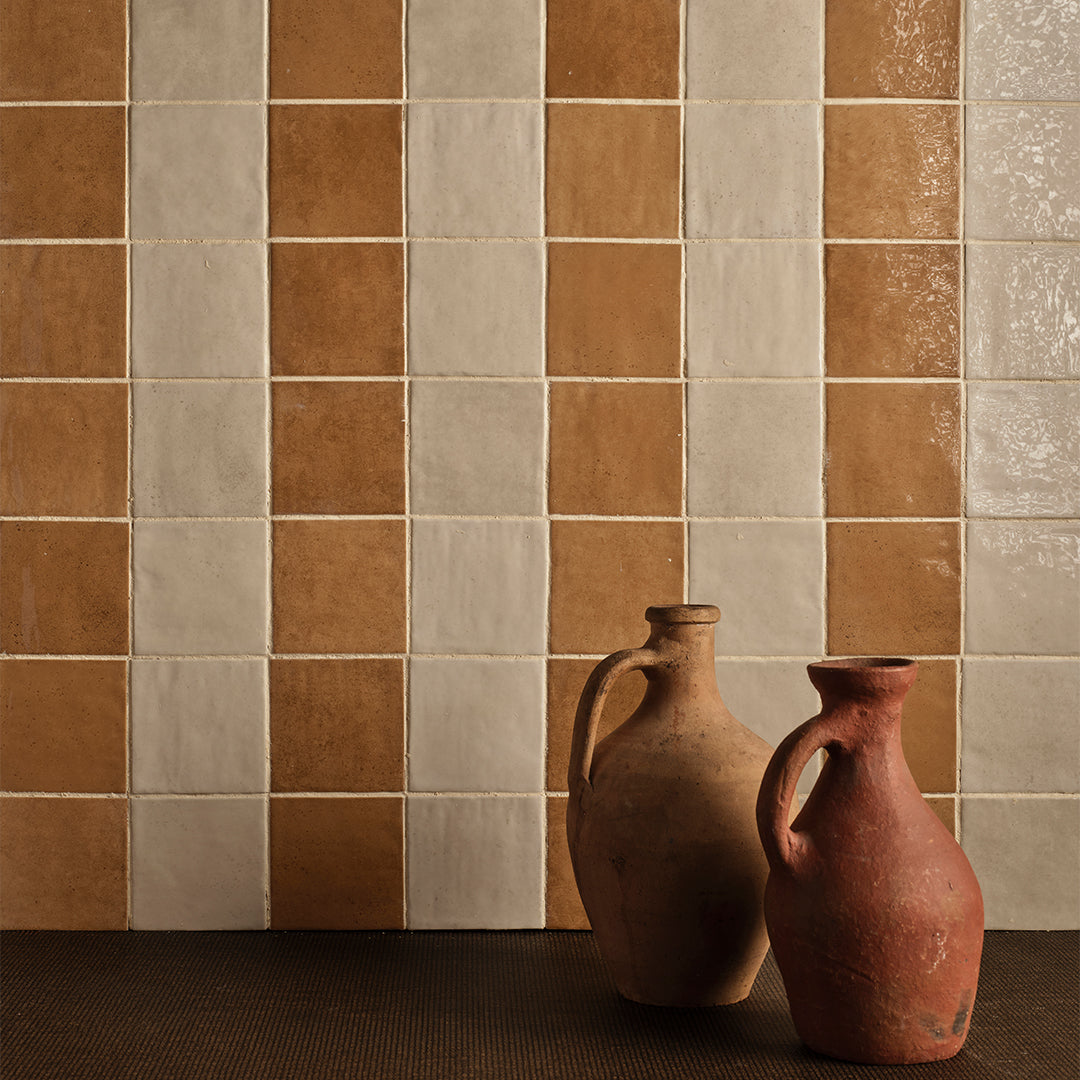
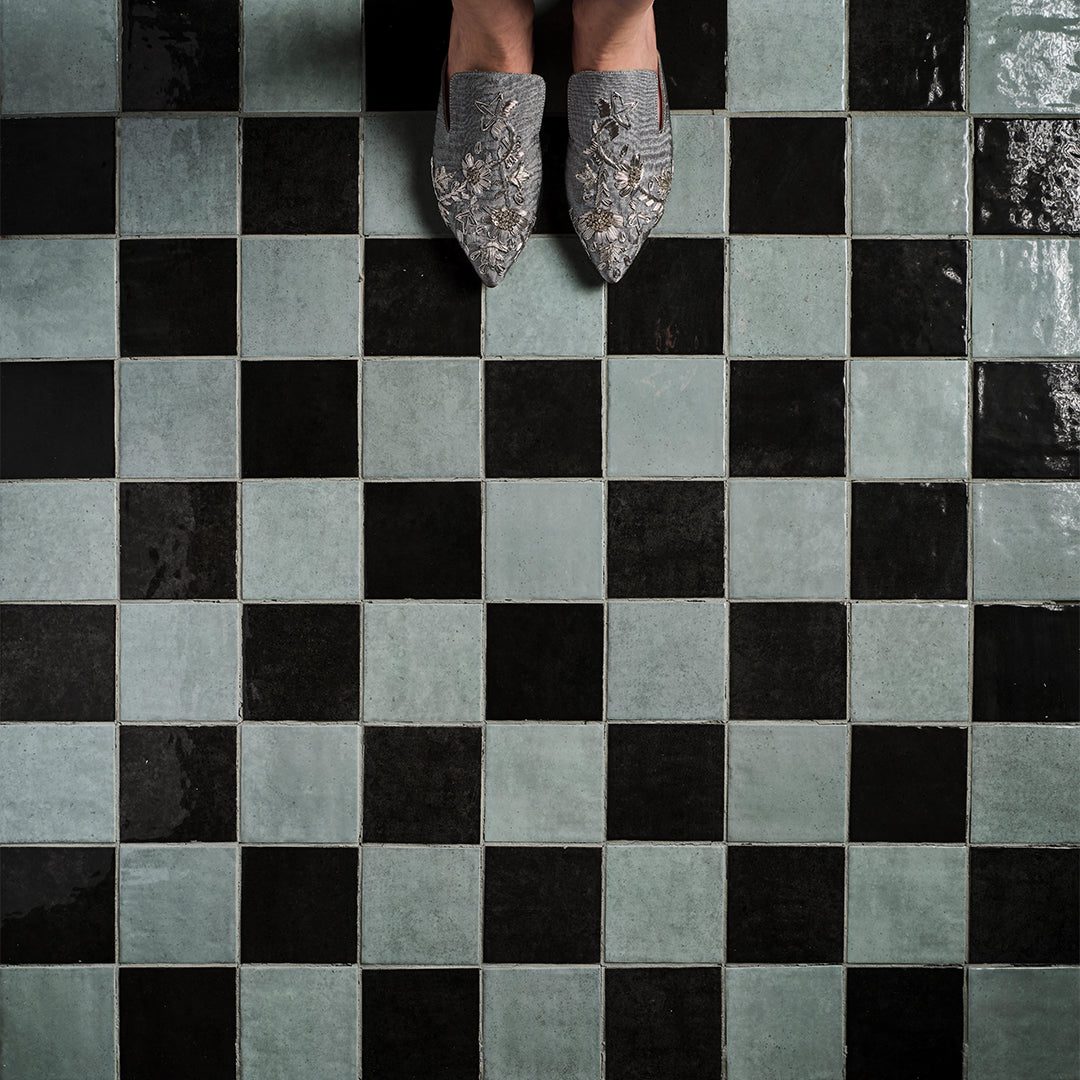
At Otto Tiles & Design, we have a wide range of ceramic tiles — from Ceramic Square Tile to Ceramic Rectangle Tile and Ceramic Wall Tile. What makes these collections so compelling, though, is the range of stunning hues, everything from classic neutral tones like beige, greige, and white to richly saturated colours like petrol green, cinnamon, lake blues, and more.
We also have ceramic tile flooring — in the form of porcelain — that provides versatility for installation across floors and in outdoor areas.
Where Can You Use Ceramic Tile?
Ceramic tile is relatively versatile and is suitable for a variety of spaces. The only thing to keep in mind is that some types of ceramic tile — like porcelain — can be used on floors and both inside and outside your home, while other forms of ceramic cannot.
Here’s a quick cheat sheet for ceramic tile uses:
-
Counters
-
Walls
-
Backsplashes
-
Wet areas like showers
-
Fireplace surrounds
-
Fireplace hearths
-
Pools (Porcelain varieties only)
-
Floors (Porcelain varieties only)
-
Underfloor heating (Porcelain varieties only)
Design Inspiration for Ceramic Tile
There are so many combinations and ways that designers and homeowners alike have leveraged the classic — and cool — power of ceramic tile to transform spaces into one-of-a-kind statements.
So when it comes to using ceramic tile in your home, indulge in these ideas for creative inspiration:
Striped and Fabulous
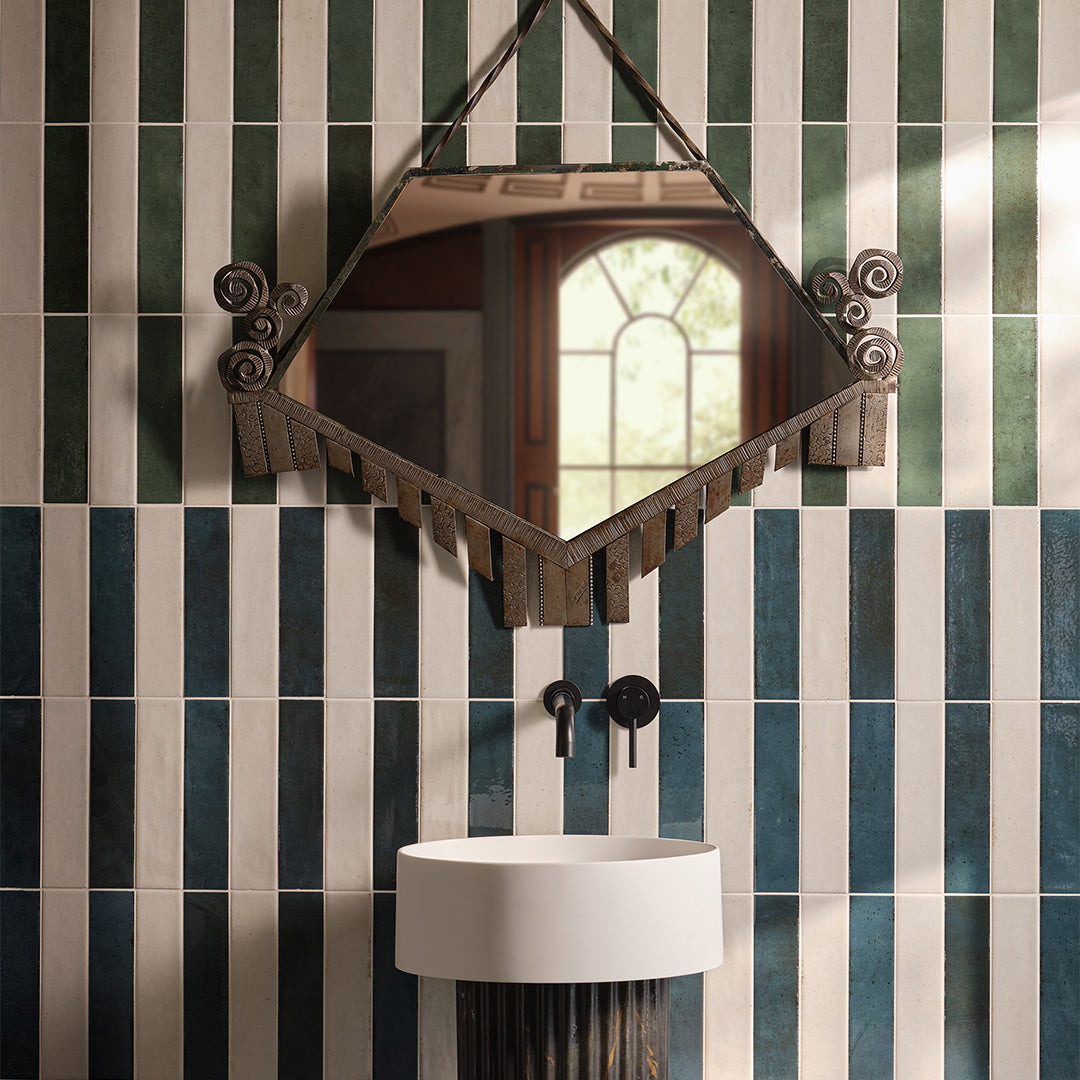
If you’ve never thought about mixing and matching your stripes, this vanity wall will have you reconsidering that very thing. Ceramic tiles — including Urban Earth Navy Blue and Urban Earth Moss Green — provide the rich, cool shades that pop while Urban Earth Cream is a calm, foundational contrast. It’s the perfect stripe. These rectangular tiles were also installed in a vertical format for a fresh take on the classic subway style, but would be equally beautiful in horizontal orientation.
Peppermint Dreams
The thing about stripes is that they can manifest in so many ways — and this is another example of just that. This wall is a delightful candy crush, thanks to Echoes Rose Pink and Echoes Ruby Red ceramic tiles laid in a diagonal form. It’s the modern version of the Starlight peppermint — and it’s just the right sugar rush.
Blue Zones
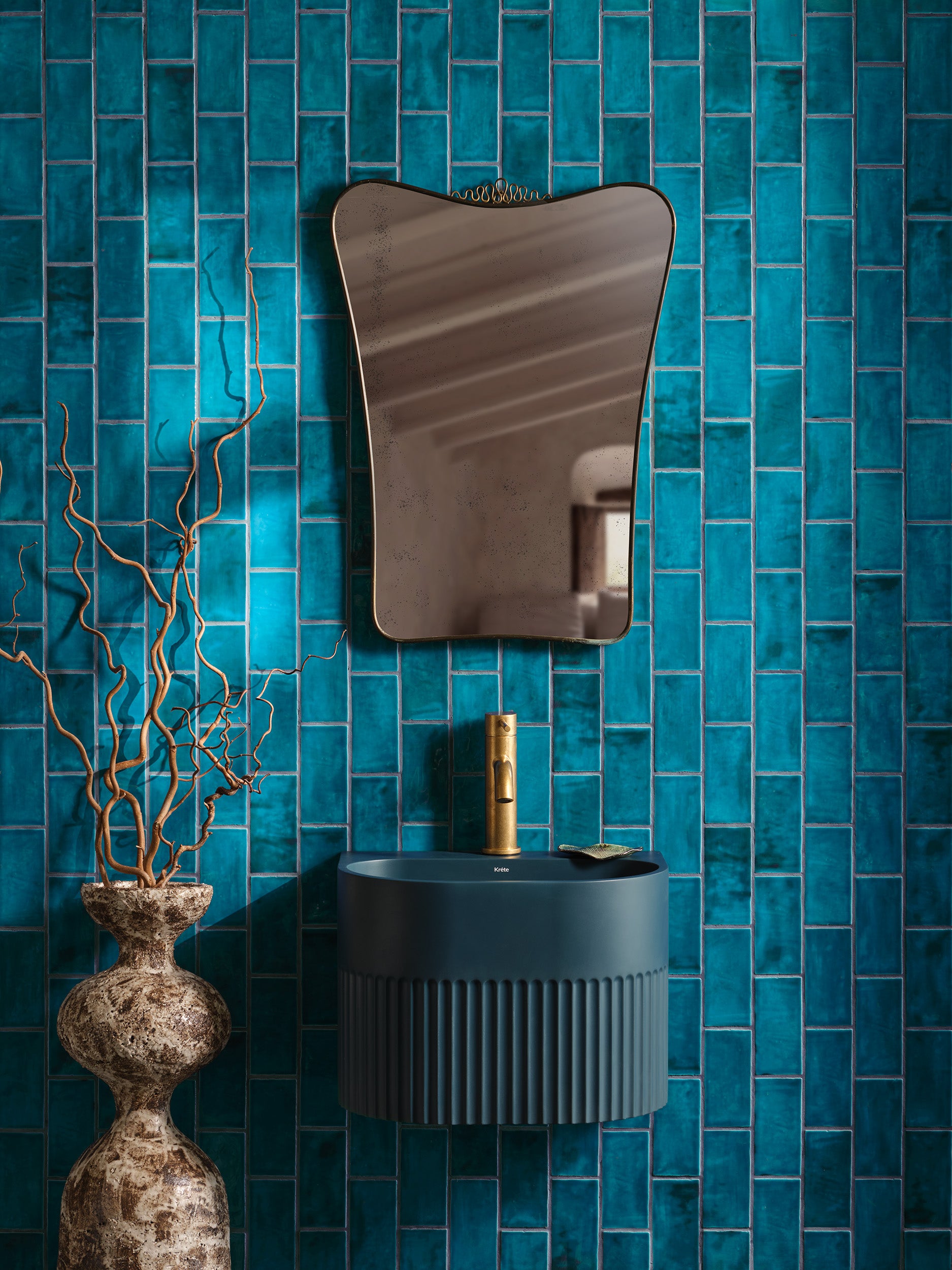
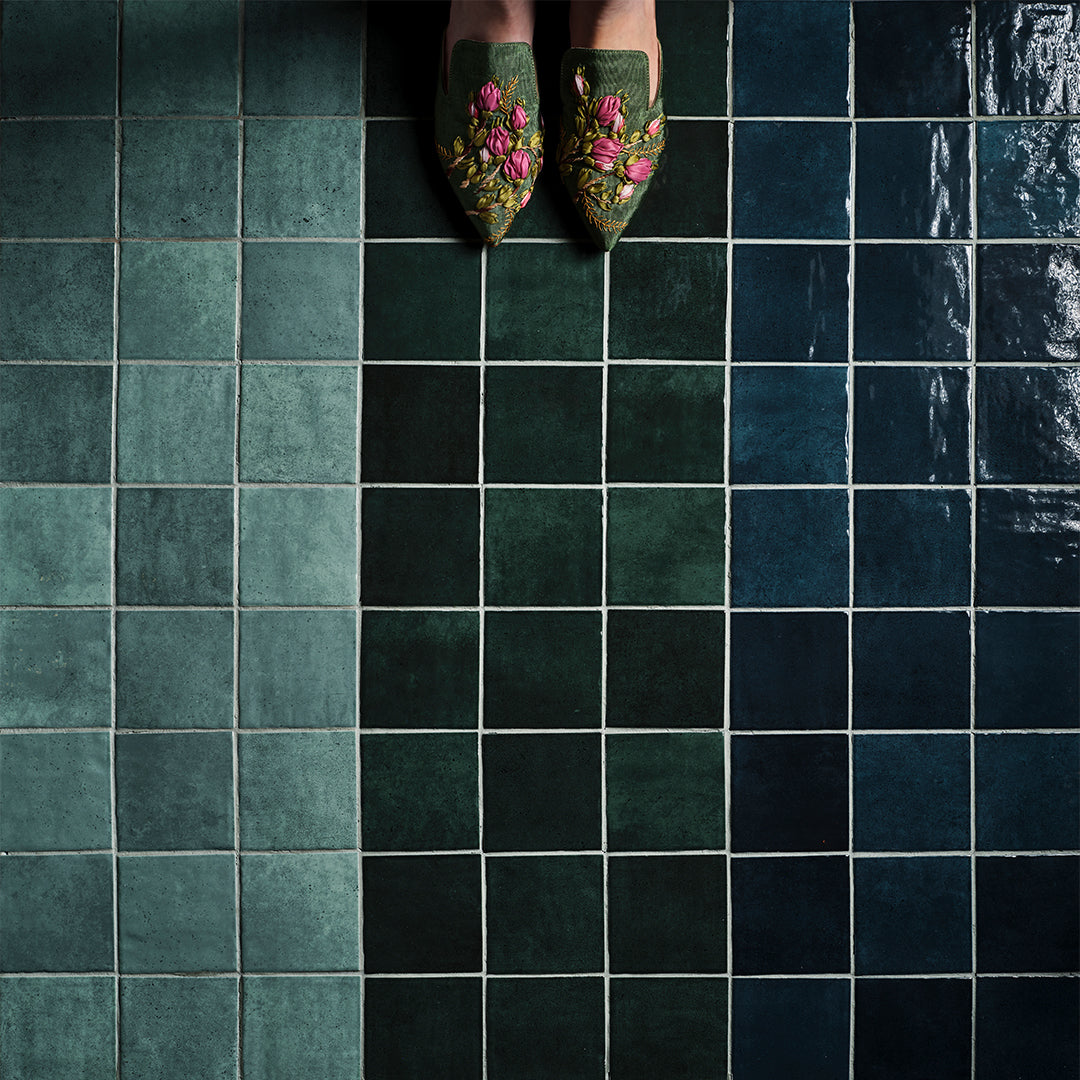
Feeling blue never looked so beautiful. The Echoes Deep Blue ceramic tile is a colour-drenched dream that contains multitudes. The subtle variations in each tile’s shade lend a bespoke feel and ensure that this wall is far from lackluster.
Blue can also go in a completely different direction with a palette of soft, watery hues that look like relaxation on a wall. This lovely combination of Artisan Matt Latte, Artisan Matt Light Green, and Artisan Matt Water Green features a subtle finish and a tonal colour palette that brings calm sophistication to any interior.
A Moment for Matte
While it may be more subtle, this wall is no shrinking violet. The Artisan Matt Latte and Artisan Matt Dirty White ceramic tiles are a lovely counterpoint to the glazed Masona Sunset Blush ceramic tile.
Mixed and Matched
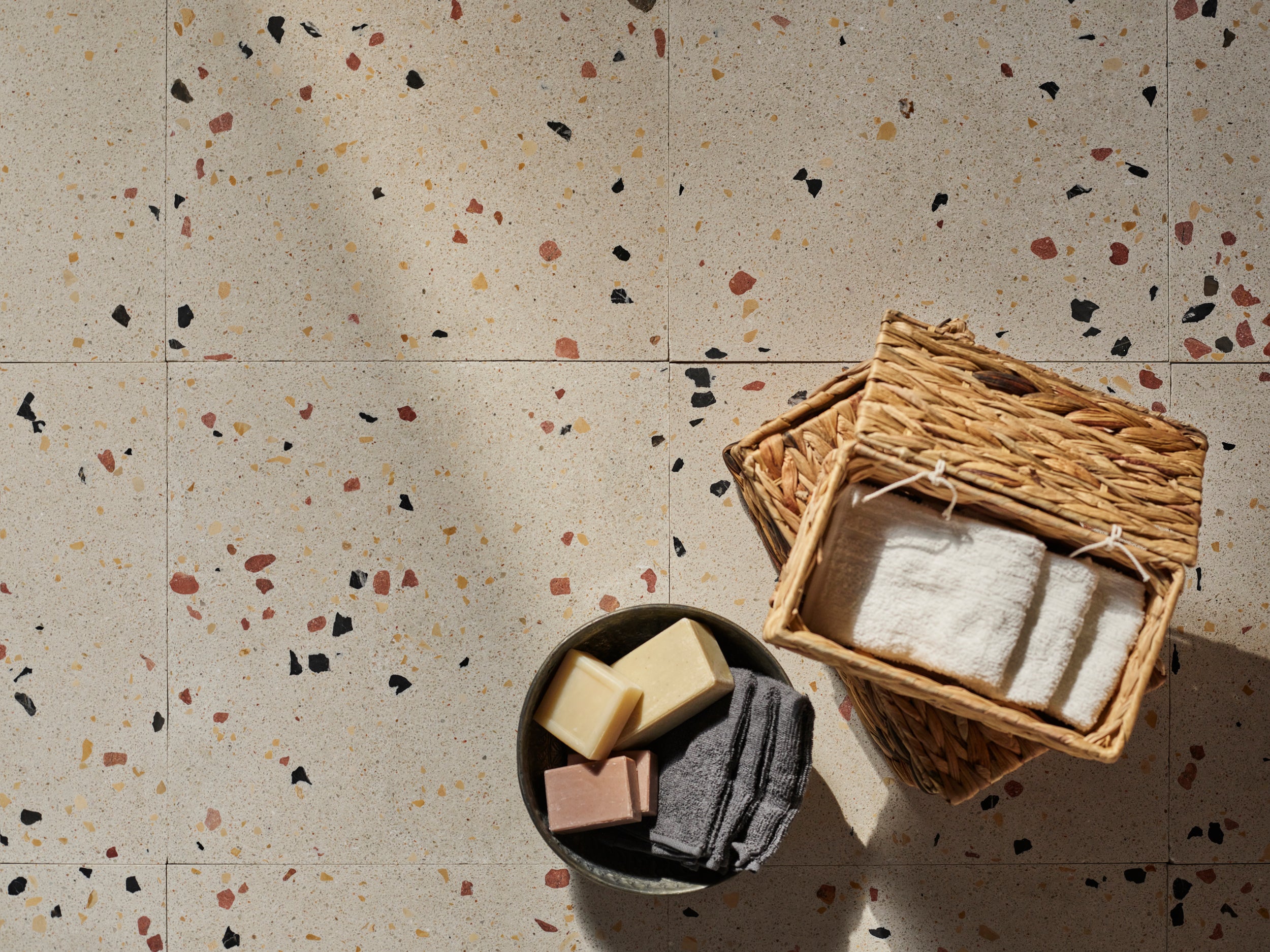
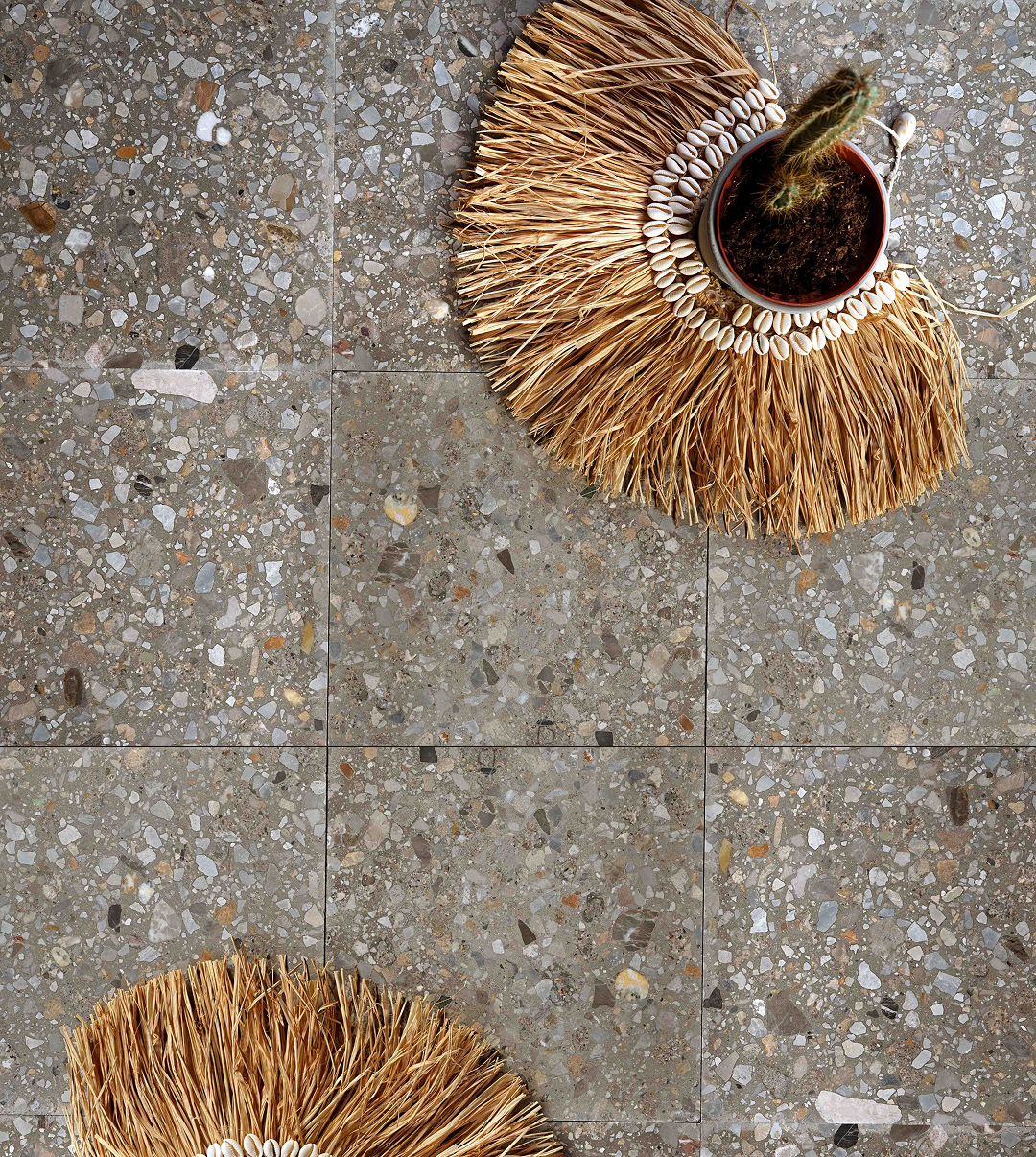
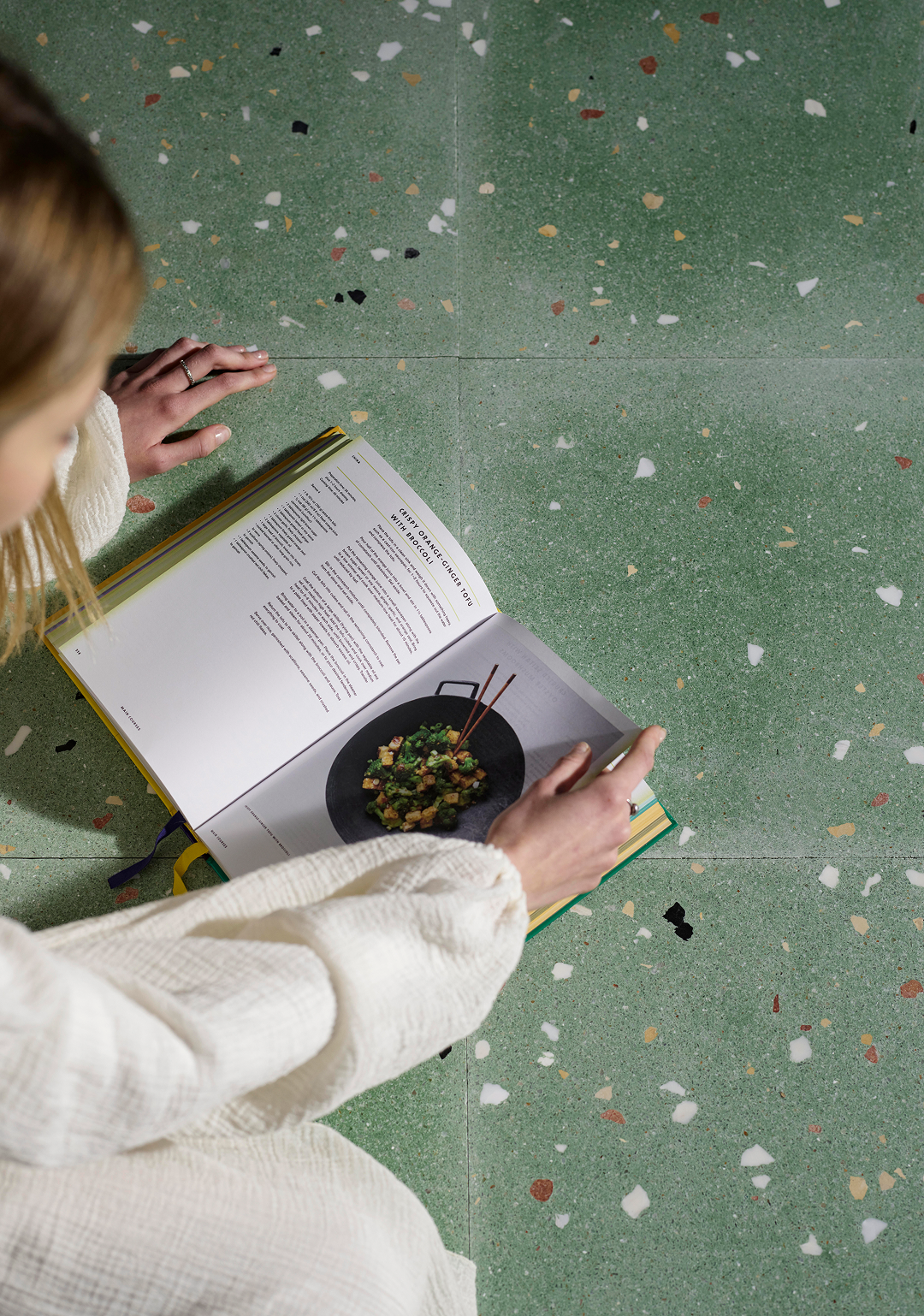
While these previous examples have shown how striking it is to combine different colours of ceramic tile, it’s also possible to pair ceramics with other materials — like terrazzo! We love seeing terrazzo tiles on a toilet floor while a complementary hue of ceramic tile holds court on the walls.
Ceramic Tile Installation
When introducing ceramic tile to your space, many people choose to hire a professional installation team to ensure the smoothest result. After all, a good product must be combined with a good installation for the perfect result.
At Otto’s Tile & Design, we can work with you to find an expert installer who specializes in artisan ceramic tile.
But for those with DIY experience who want to take on a weekend project, here are some installation tips and tricks.
DIY Ceramic Tile Installation Tips
To Prepare for Installation:
-
You’ll want a good foundation to lay your tile. So, make sure the tile substrate is level, clean, dry, and free of oil, dust, or debris. You may want to use something like RLS (Raimondi Leveling System) to avoid lippage between tiles.
-
If you’re using ceramic tiles in a wet area — like a shower — apply a suitable waterproof membrane.
-
If you are using porcelain tile on the floor and have underfloor heating, make sure to turn the system off at least 12 hours before tiling begins to avoid any unwanted temperature fluctuations on the floor.
Pro tip: Consider ordering at least 15% more ceramic tile than your measured area to account for cuts, onsite selection based on colour and tone variation, and potential breakage (or mistakes!).
To Install Your Ceramic Tiles:
-
Make sure to use a flexible, high-bond adhesive that’s appropriate not only for the substrate but also for ceramic tile.
-
Install tiles with a minimum of 2 mm joint for rectified tiles with sharp, uniform edges and a minimum of 3 mm for non-rectified tiles with natural, uneven edges.
-
Use the double spreading method, applying adhesive to both the surface receiving the tile and the back of the tile, to ensure proper fixing.
-
Use a diamond blade wet saw for cuts, placing the tile face up. Make sure to wear gloves during installation, as tile edges may be sharp.
Pro tip: Mix together tiles from different boxes to ensure a natural variation throughout the surface. Due to the colour variations inherent to some artisan ceramic tile colourways, we recommend that you lay tiles randomly selected from assorted boxes or batches. This can give the tiles a rippling rhythm that highlights their beautiful variations and rustic elegance.
To Grout Your Ceramic Tiles:
-
Use cement-based grouts rather than epoxy grouts.
-
As you start to apply grout, it’s best to work diagonally over the tiles in small sections of 2 to 4 square meters.
-
Don’t let the grout sit on top of the tiles. Wipe off any excess quickly using clean water and a soft cloth or sponge to avoid staining.
Pro tip: Once the curing time of the cement-based grout is completed, you’ll want to do another cleaning. Sweep the floor properly to get rid of any loose residue, and then use lots of clean warm water together with a detergent like Fila Deterdek or Mapei Keranet — or a similar grout remover — to remove any other stains and grout residue left over from the installation process.
Ceramic Tile Care and Maintenance
If you’re wondering how to take care of ceramic tile, it’s a relatively easy tile option to clean and maintain — whether it’s ceramic tile flooring, a ceramic tile wall, or backsplash. That said, properly caring for your ceramic tiles is essential to keep them looking their best year after year.
For regular, routine cleaning, use a soft cloth or mop with a pH-neutral detergent like Fila Cleaner. It’s important not to use too acidic or too basic of a detergent. Avoid using any other harsh chemicals, bleach, or floor polishes, too, as this can negatively impact the ceramic tile. And don’t use any machine scrubbers or abrasive sponges.
It's always wise to test any cleaning methods in an inconspicuous area of your ceramic tile installation.
Pro tip: Some ceramic tiles — such as the unglazed and porcelain varieties — often require sealing. Make sure to check the specific recommendations for sealing the type of ceramic tile you’ve installed.
Where to Buy Ceramic Tile
With this as your guide, it’s time to pick your ceramic tiles, order your samples, and bring your vision to life!
Remember: With ceramic tile, quality counts — especially when creating a living work of art and a beautiful, long-lasting result. That’s why it’s so important to get your ceramic tile from the best source with the biggest, most inspired collection.
Otto Tiles & Design is here to help you every tiled step of the way.
As an international brand known for its wide selection of ceramic tile, Otto Tiles & Design elevates modern artisan craftsmanship with an innovative, design-forward approach to tile.
In addition to statement-making ceramic tiles, you can find other artisan toilet tiles online and in Otto’s London showroom.